


HYALURONIC ACID
IN Wound CARE


Hyaluronic Acid (HA), also called hyaluronan, is a high molecular weight polysaccharide, discovered in 1934, by Karl Meyer and his assistant, John Palmer at Columbia University, in the vitreous of bovine eyes.
HYALURONIC ACID properties
- HA is biocompatible and biodegradable molecule and lacks immunogenicity naturally.
- Amongst extracellular matrix molecules, it has unique hygroscopic, rheological and viscoelastic properties. Hyaluronan is one of the most hygroscopic molecules in nature (1 gr of hyaluronic acid can bind up to 3 L of water.)
- Through its complex interactions with matrix components and cells, hyaluronan has multifaceted roles in biology utilizing both its physicochemical and biological properties. However, these properties are also highly dependent on chain length. HA can reach over 107 Da in molecular mass (HMW-HA), but also exists in multiple smaller forms, referred to as low molecular weight HA (LMW-HA).
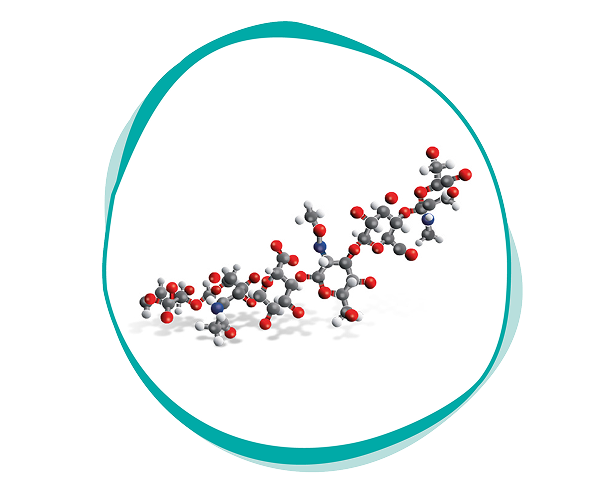
IT Has been demonstrated that Low molecular weight (LMW-HA)
(~200 kDa average range - Hyalastine® - INTELLECTUAL PROPERTY OF FIDIA FARMACEUTICI) is the most appropriate fraction for wound healing4.

LMW-HA ROLE IN WOUND HEALING:
LMW-HA (~200 kDa) is the optimal fraction for supporting wound healing, thanks to its hydrating and structural properties.5
Across all four phases of the healing process, hyaluronic acid helps maintain a moist microenvironment that supports the body’s natural tissue repair mechanisms6
Exogenous hyaluronic acid has been widely used for decades and is now recognized by both clinicians and patients as a key element in tissue regeneration.
References:
1. Longinotti C. The use of hyaluronic acid-based dressings to treat burns: a review. Burns & Trauma, October 2014, Vol.2, Issue 4.
2. Schiraldi C, La Gatta A, De Rosa M. Biotechnological production and application of hyaluronan. Peptide Science 20, September 2010.
3. NecasJ, BartosikovaL, Brauner P, Kolar J. Hyaluronic acid (hyaluronan): a review. Veterinarni Medicina. 2008; 53:397–411.
4. Passi A. Why low moleculaweight HA in wound healing: https://fidiawoundcare.com/images/educational/low molecular-weight-HA.pdf
5. D’Agostino A, Stellavato A, Busico T, Papa A, Tirino V, Papaccio G, La Gatta A, De Rosa M, Schiraldi C. In vitro analysis of the effects on woundhealingof high-and low-molecular weight chains of hyaluronan and theirhybrid H-HA/L-HA complexes. BMC Cell Biology. 2015; 16: 19
6. Chylińska N, Maciejczyk M. Hyaluronic Acid and Skin: Its Role in Aging and Wound-Healing Processes. Gels. 2025 Apr 9;11(4):281. doi: 10.3390/gels11040281.